Featured Image: MJSN TCH006-574, Plesiochelys etalloni (Kimmeridgian, Porrentruy, Switzerland). From Pütener et al (2017). Papers (All Open Access): Further study of Late Devonian seed plant Cosmosperma polyloba: its reconstruction and evolutionary significance (BMC Evolutionary Biology) Pleistocene reefs of the Egyptian Red Sea: environmental change and community persistence (PeerJ) Ademosynidae (Insecta: Coleoptera): A new concept for aContinueContinue reading “Fossil Friday Roundup: June 30, 2017”
Monthly Archives: June 2017
Fossil Friday Roundup: June 23, 2017
Featured Image: Remnant of a typical hydrothermal quartz dyke in the northern Jack Hills region / Western Australia which crystallized presumably in Archaean time in deeper parts of a shear-dominated crust (photograph by Thomas Kirnbauer, with permission). From Schreiber et al. (2017). Papers (All Open Access): Organic compounds in fluid inclusions of Archean quartz—Analogues of prebioticContinueContinue reading “Fossil Friday Roundup: June 23, 2017”
Fossil Friday Roundup: June 16, 2017
Featured Image: Skull of specimen MCP-PV-1600-T (holotype of Probelesodon kitchingi) in lateral view. From Martinelli et al. (2017). Papers (All Open Access): Dating early animal evolution using phylogenomic data (Scientific Reports) Tiny pollen grains: first evidence of Saururaceae from the Late Cretaceous of western North America (PeerJ) Time-calibrated molecular phylogeny of pteropods (PLOS ONE) PhylogeographyContinueContinue reading “Fossil Friday Roundup: June 16, 2017”
Fossil Friday Roundup: June 9, 2017
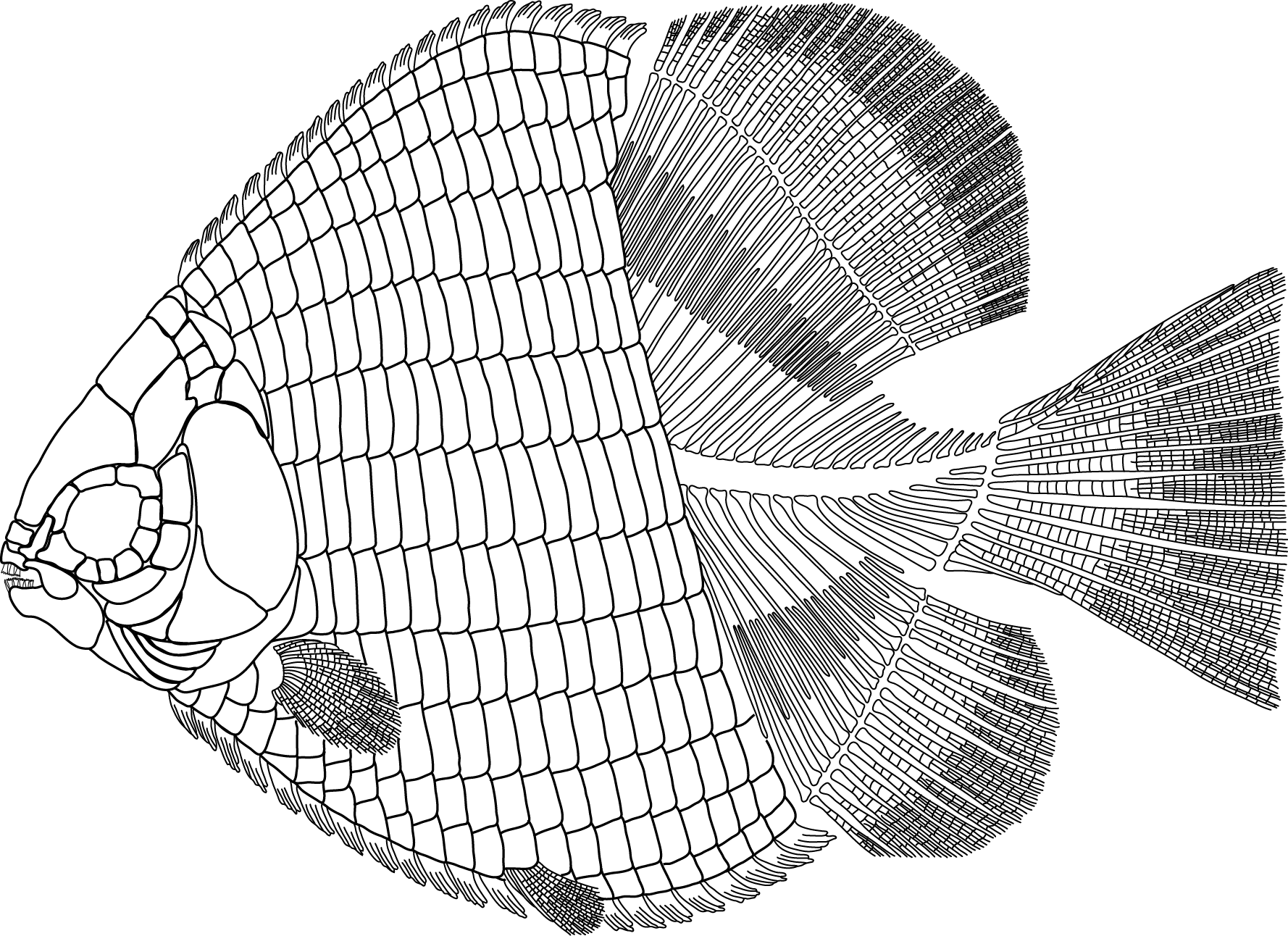
Featured Image: The Jurassic fish Cavenderichthys from the Talbralgar Beds of Australia, shown under an Aluminum elemental map. From Frese et al. (2017). Papers (All Open Access): Disc-shaped fossils resembling porpitids or eldonids from the early Cambrian (Series 2: Stage 4) of western USA (PeerJ) A new scyphozoan from the Cambrian Fortunian Stage of South ChinaContinueContinue reading “Fossil Friday Roundup: June 9, 2017”
Fossil Friday Roundup: June 2, 2017
Featured Image: Reconstruction of Camarasaurus, based on specimen GPDM 220. Art by Scott Hartman. From Woodruff and Foster (2017). Papers (All Open Access): Phylogenomic analyses of Crassiclitellata support major Northern and Southern Hemisphere clades and a Pangaean origin for earthworms (BMC Evolutionary Biology) Surviving anoxia in marine sediments: The metabolic response of ubiquitous benthic foraminifera (Ammonia tepida)ContinueContinue reading “Fossil Friday Roundup: June 2, 2017”
 Sarah Z. Gibson